Your H200 compute just got 10% more affordable than ever before.
Get Startedright-arrow
Carolyn Weitz's profile image

Carolyn Weitz

Carolyn began her cloud career at a fast-growing SaaS company, where she led the migration from on-prem infrastructure to a fully containerized, cloud-native architecture using Kubernetes.
Since then, she has worked with a range of companies from early-stage startups to global enterprises helping them implement best practices in cloud operations, infrastructure automation, and container orchestration. Her technical expertise spans across AWS, Azure, and GCP, with a focus on building scalable IaaS environments and streamlining CI/CD pipelines.
Carolyn is also a frequent contributor to cloud-native open-source communities and enjoys mentoring aspiring engineers in the Kubernetes ecosystem.

AWS MSK vs Managed Kafka Providers: What Should Indian Businesses Choose?

Quick Answer AWS MSK suits Indian businesses already AWS-first, with in-house Kafka expertise and a need for managed Kafka within AWS. Other managed Kafka providers are worth comparing when teams need stronger help with operations, migration, monitoring, scaling, support, disaster recovery, reliability, and India-focused assistance. On salary-day evening, a fintech app sees a sudden spike […]

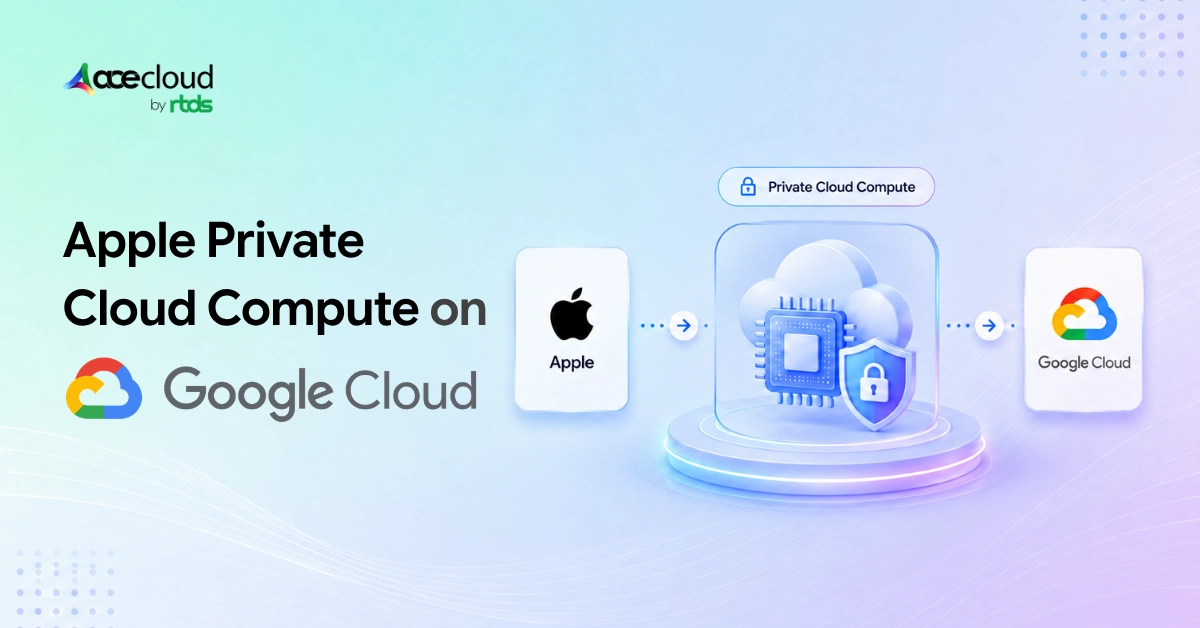
Why Apple’s Google Cloud Move Makes the Case for Hybrid AI Infrastructure

Quick Answer Apple is expanding Private Cloud Compute (PCC) beyond its own data centers. Google Cloud will now support certain computationally demanding AI workloads for Apple. Apple maintains that its privacy model, software verification, and workload control will continue to apply regardless of where the compute physically sits. When we first read that Apple was […]

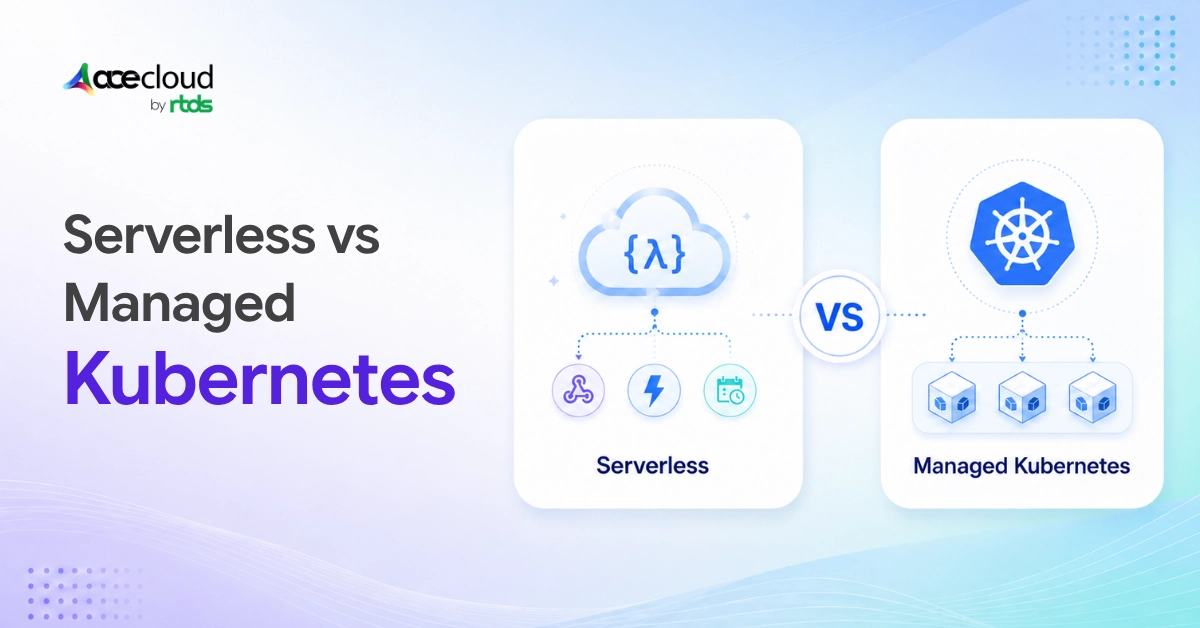
Serverless vs Managed Kubernetes for AI Workloads: Which Should You Choose?

Quick Answer Managed Kubernetes suits production AI needing GPUs, low latency, custom networking, observability, and reliable model serving. Serverless Kubernetes fits bursty inference, event-driven jobs, prototypes, and uneven traffic. A hybrid approach often works well: managed Kubernetes for core GPU-backed model serving/training, and serverless or event-driven runtimes for triggers, preprocessing, batch jobs and short-lived support […]

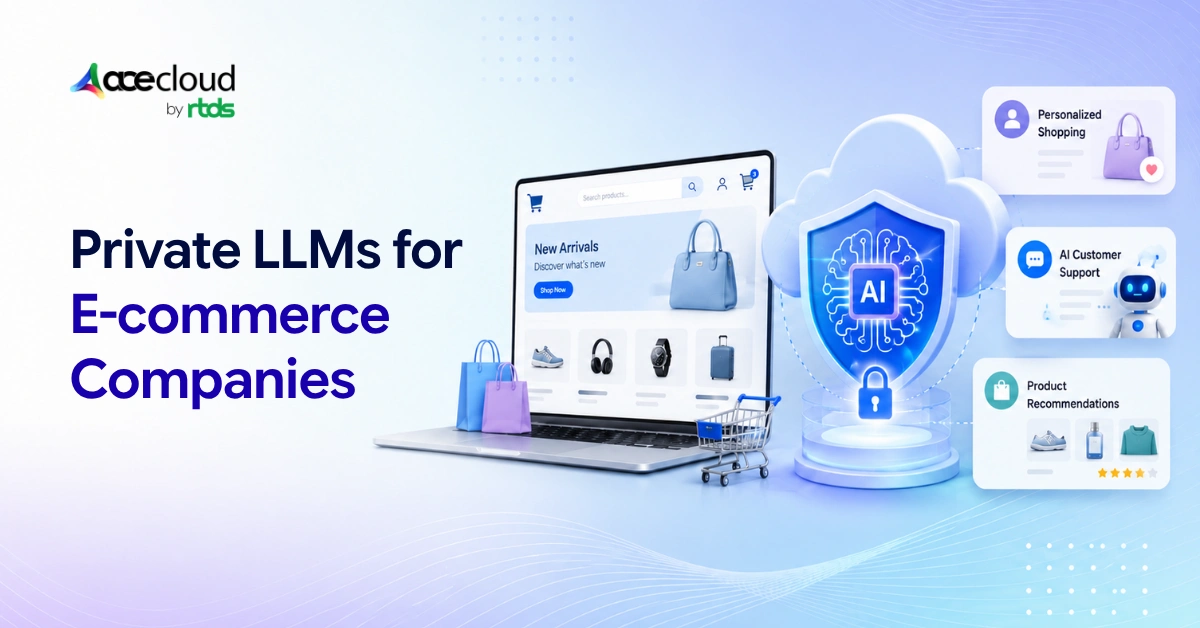
Why Indian eCommerce Companies Need Private LLM Infrastructure

Quick Answer Indian eCommerce companies need private LLMs because their most valuable AI use cases run on data that only they have. Product catalogs, seller behavior, logistics events, and customer queries in a dozen languages; none of it lives in a public model’s training set. If you have been anywhere near a tech headline lately, […]

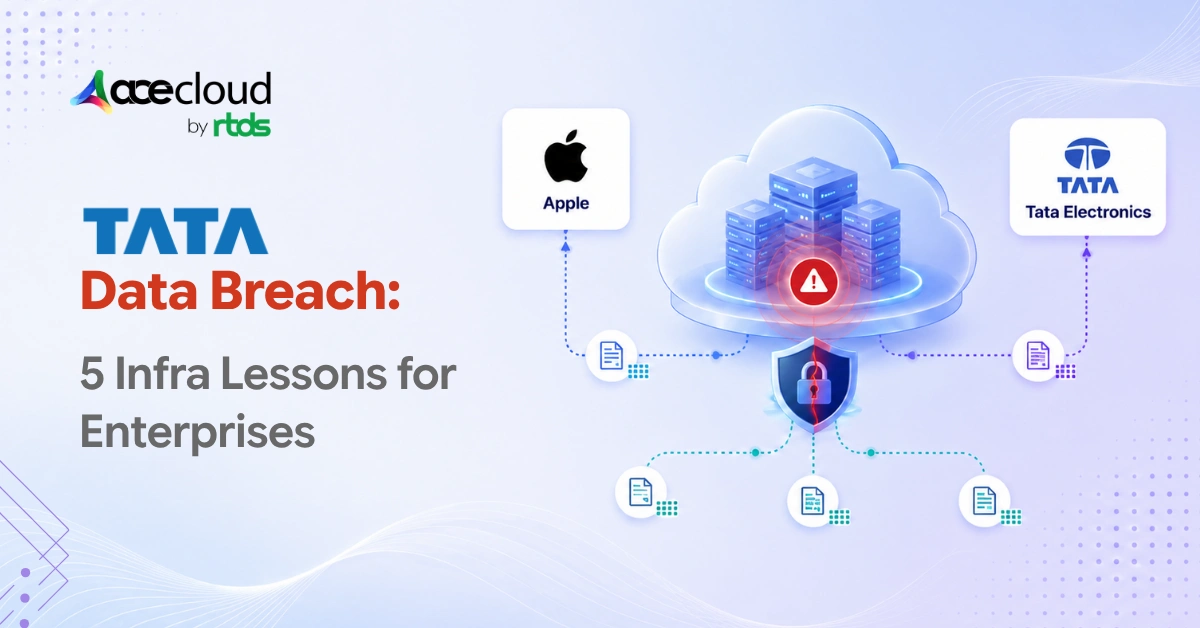
Tata Electronics Breach: 5 Infrastructure Lessons for Enterprises

The Tata Electronics breach reportedly exposed over 630 gigabytes of supplier and manufacturing data connected to Apple’s iPhone 18 Pro. This came after hackers posted more than 200,000 files on the dark web, several of them carrying Apple confidential watermarks tied to the iPhone 18 Pro generation, along with older Tesla and TSMC-related files. The real lesson […]

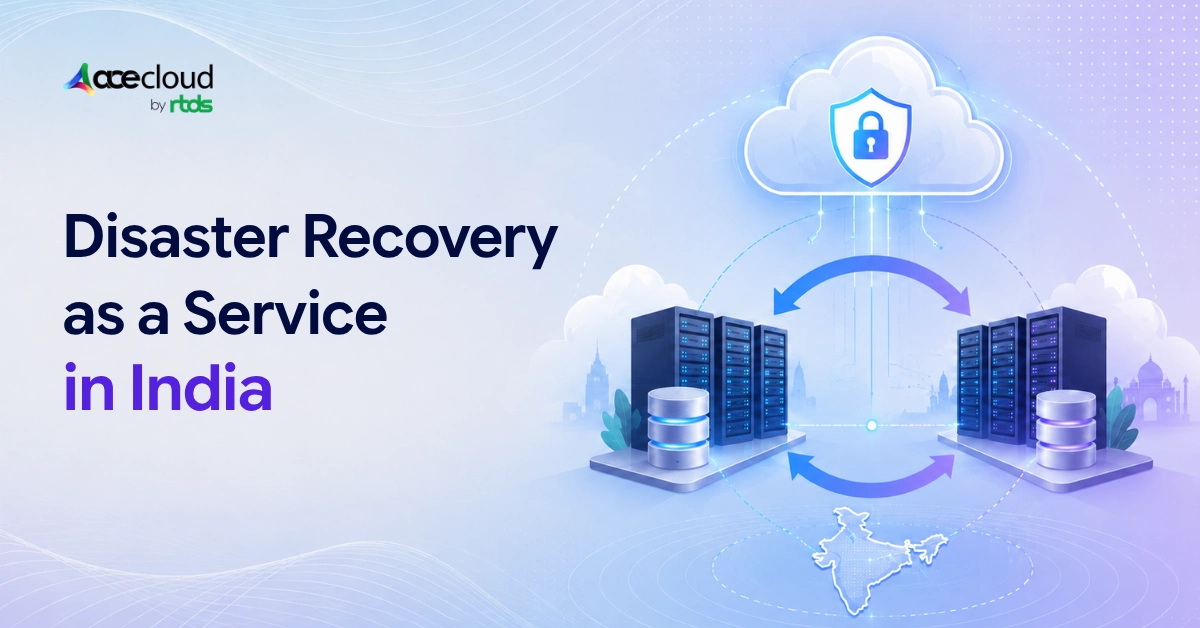
DRaaS in India: What Providers Say and What You Get

The recovery dashboard is green. Forty virtual machines restart within 25 minutes, and the provider reports that the recovery time objective has been met. But there is one problem. Customers still cannot place an order because the database is recovering, DNS has not changed, and the payment gateway cannot connect. That gap captures the biggest […]

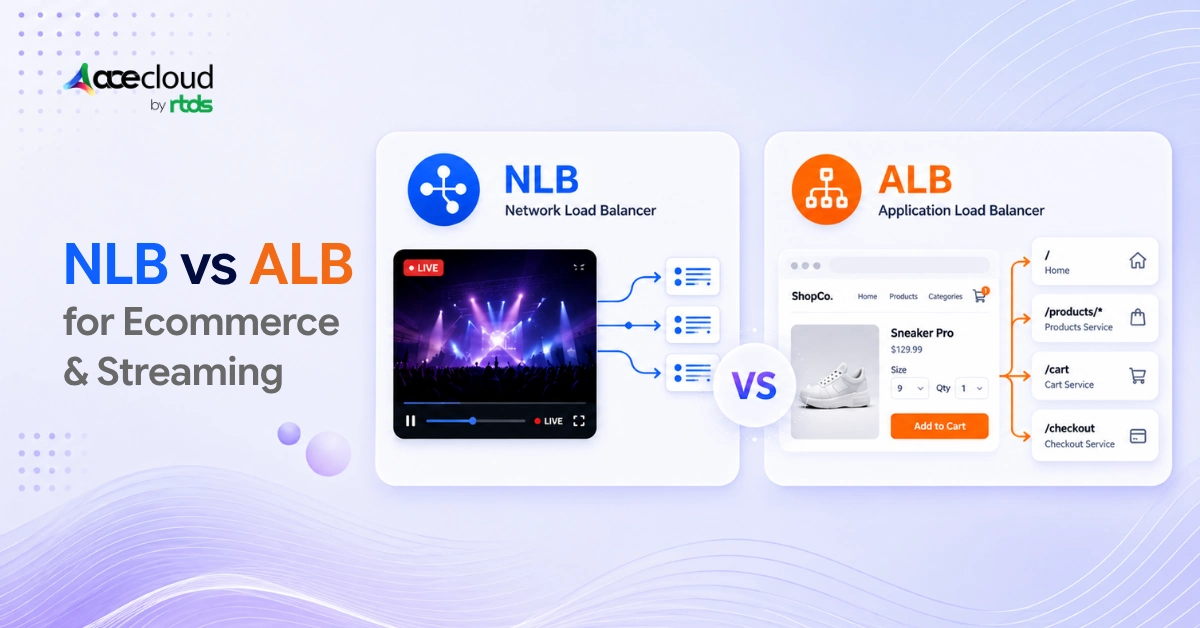
AWS NLB vs ALB: What Should You Use for Ecommerce and Streaming Traffic?

A flash sale goes live and checkout slows. During a streaming event, thousands reconnect while a few servers melt and others look suspiciously relaxed. The load balancer may stay healthy while everything behind it struggles. Quick Answer: We usually choose AWS Application Load Balancer, or ALB, for ecommerce, HTTP APIs, gRPC, and WebSockets that need […]

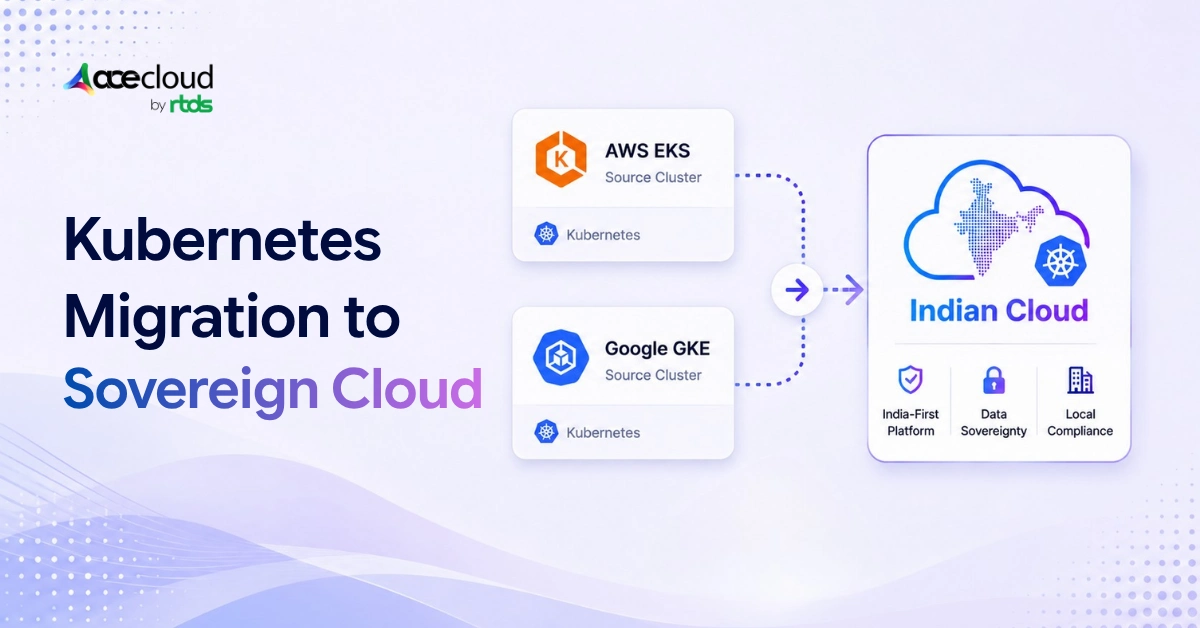
EKS and GKE Kubernetes Migration to Indian Cloud: What Actually Moves?

Migrating Kubernetes workloads from EKS or GKE requires more than transferring manifests. Standard Deployments and Services are usually portable when the destination supports the same Kubernetes APIs and networking assumptions, but workload identity, persistent volumes, load balancers, autoscaling, observability, and managed data services typically require replacement or reconfiguration. Quick Answer: The safest approach is to […]

Kafka vs RabbitMQ for Financial Transaction Streaming in Indian BFSI

Indian BFSI systems are not choosing between Kafka and RabbitMQ for abstract architecture reasons. They are choosing how payment events, fraud signals, ledger updates, reconciliation records, merchant settlement events, and customer notifications move through regulated, high-volume systems where a wrong call has real financial consequences. The scale makes that choice concrete. According to NPCI data cited by […]